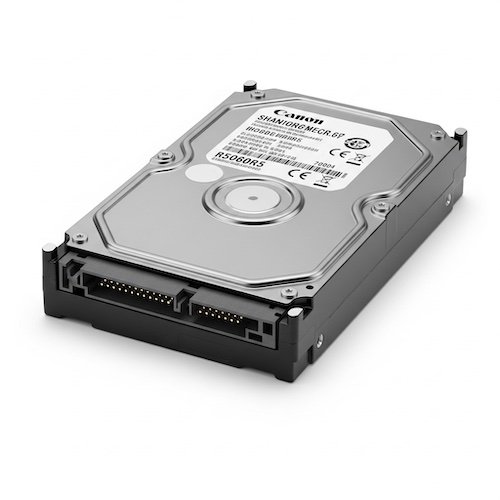
When it comes time to retire IT equipment, one of the most important decisions a business faces is how to permanently eliminate the data stored on hard drives and other storage media. Understanding the differences between hard drive shredding vs data wiping is critical for Connecticut businesses that must balance data security, regulatory compliance, cost efficiency, and environmental responsibility. Each method has distinct advantages, and the right choice depends on your specific circumstances.
What Is Hard Drive Shredding?
Hard drive shredding is the physical destruction of a storage device using industrial shredding equipment. The drive is fed into a machine that reduces it to small metal fragments, typically no larger than two inches in any dimension. The process renders the magnetic platters, flash memory chips, and all other data-bearing components completely unrecoverable.
Physical shredding is considered the most definitive form of data destruction because there is no possibility of data recovery from a drive that has been reduced to fragments. The process is fast, typically taking only seconds per drive, and can be performed on-site at your facility or at a certified processing center. After shredding, the metal fragments are separated and sent to commodity recyclers for materials recovery.
What Is Data Wiping?
Data wiping, also called data sanitization or data erasure, is a software-based process that overwrites every sector of a hard drive with random data patterns. The goal is to replace all existing data with meaningless information, making the original contents unrecoverable through any known forensic technique.
Professional data wiping follows established standards such as the Department of Defense 5220.22-M specification or the NIST Special Publication 800-88 guidelines. These standards define the number of overwrite passes, verification procedures, and documentation requirements. When performed correctly using certified software, data wiping produces results that meet the same security threshold as physical destruction for most regulatory frameworks.
Security Comparison
Both methods, when properly executed, provide a high level of data security. However, there are important differences to consider:
- Shredding provides absolute certainty. Once a drive is physically destroyed, there is zero possibility of data recovery regardless of the attacker's resources or sophistication.
- Wiping relies on the software performing correctly across the entire drive surface. Modern drives with hidden host-protected areas (HPA) or device configuration overlays (DCO) may contain data that standard wiping software cannot reach without specialized configuration.
- SSDs present unique challenges for wiping because of wear-leveling algorithms that distribute writes across flash cells. Some cells may retain original data even after a full overwrite cycle. For this reason, many security professionals recommend physical destruction for solid-state drives.
- Verification is easier with shredding since the destruction is visually confirmable. Wiping verification requires software-based sampling of the overwritten sectors.
For the highest-security environments, such as government classified systems or healthcare organizations with large volumes of protected health information, shredding is typically the preferred method.
Cost Comparison
The economics of data destruction vary based on volume, equipment type, and whether you need on-site service:
- Shredding has a per-drive cost that covers the physical destruction process and materials handling. The destroyed drive has no resale value, but the metal fragments do have commodity value that can partially offset costs.
- Wiping has a per-drive cost that covers the software licensing and technician time for the sanitization process. However, wiped drives can be remarketed and resold, generating revenue that may fully offset or even exceed the cost of the wiping service.
For organizations with large volumes of relatively recent equipment, data wiping often produces a net financial benefit because the remarketing revenue exceeds the sanitization cost. For older equipment with minimal resale value, shredding is typically more cost-effective.

Compliance Considerations
Different regulatory frameworks have varying requirements for data destruction methods. Understanding which method satisfies your specific compliance obligations is essential:
- HIPAA: Requires that protected health information be rendered "unusable, unreadable, or indecipherable." Both shredding and NIST-compliant wiping satisfy this requirement, though many healthcare organizations prefer shredding for the added certainty.
- SOX (Sarbanes-Oxley): Mandates retention and secure destruction of financial records. Both methods are acceptable when accompanied by proper documentation and certificates of destruction.
- PCI-DSS: Requires that cardholder data be rendered unrecoverable. The standard accepts both physical destruction and "a secure wipe program in accordance with industry-accepted standards."
- FACTA: Requires proper disposal of consumer information. Both methods comply when documentation is maintained.
- State regulations: Connecticut's data breach notification laws create additional incentive for thorough data destruction. Proper documentation of destruction can serve as a defense in the event of a breach claim.
When to Choose Shredding
Hard drive shredding is the best choice in several common scenarios:
- The drives contained highly sensitive, classified, or regulated data where absolute certainty of destruction is required
- The equipment is at end of life with no remaining resale value
- The drives are solid-state (SSD) and cannot be reliably wiped due to wear-leveling
- Your compliance framework specifically requires physical destruction
- You need on-site destruction for chain-of-custody requirements
- The volume of drives makes individual wiping impractical from a time perspective
When to Choose Wiping
Data wiping is the preferred method when:
- The equipment has significant remaining resale value and you want to recover that value through remarketing
- Your compliance framework accepts software-based sanitization
- The drives are traditional spinning hard drives (HDD) that respond well to overwrite procedures
- You are refreshing a fleet of recent-generation laptops or desktops that can be refurbished and resold
- Environmental sustainability is a priority, since wiping enables reuse rather than materials recycling
Can You Use Both?
Absolutely, and many organizations do. A hybrid approach allows you to match the destruction method to the specific asset and its data sensitivity level. For example, a company might wipe and remarket recent laptops from its sales team while shredding the server drives from its finance department.
High Tide Management routinely implements multi-method programs for our Connecticut clients. We work with your IT and compliance teams to classify assets by data sensitivity and recommend the appropriate destruction method for each category. This approach maximizes value recovery while maintaining the highest security standards where they matter most.
How High Tide Handles Data Destruction
With more than 25 years of experience in IT asset management, High Tide Management provides both shredding and wiping services from our Branford, Connecticut facility. Our process includes:
- Detailed asset inventory with serial number tracking and chain-of-custody documentation
- NIST 800-88 compliant data wiping using certified software with full verification
- Industrial shredding that reduces drives to fragments no larger than two inches
- Individual certificates of destruction for every data-bearing device processed
- On-site destruction services available for organizations that require witnessed shredding
- Responsible electronic recycling of all destroyed materials through certified downstream processors
We help you determine the right method for each asset, handle the entire process with documented chain of custody, and provide the compliance documentation your auditors require.
Protect Your Data with the Right Destruction Method
Choosing between hard drive shredding and data wiping does not have to be complicated. The right ITAD partner will evaluate your equipment, understand your compliance requirements, and recommend the approach that delivers the best combination of security and value.
Contact High Tide Management today or call (203) 457-3575 to discuss your data destruction needs. We will help you develop a destruction strategy that protects your organization while maximizing the value of your retired IT assets.